

Specialist Care for Children’s Allergies and Immune Concerns
Allergies in children may appear as eczema, food reactions, hives, persistent nasal or eye symptoms, asthma triggers, or repeated infections.
Allergy & Immunology care helps identify possible triggers, understand symptom patterns, and guide families on safe, practical next steps as the child grows.
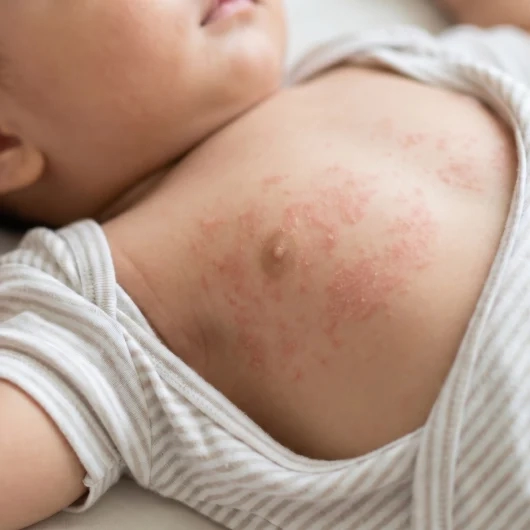
Common Allergy & Immunology Concerns
Children may benefit from allergy or immunology assessment when symptoms are persistent, recurrent, or linked to possible triggers.
Common conditions and concerns include:
- Atopic Eczema
- Food Allergy
- Drug Allergy
- Respiratory Allergies
- Allergic Rhinitis
- Allergic Rhinoconjunctivitis
- Inhalant Allergy
- Chronic Urticaria (Hives)
- Recurrent Allergic Reactions
- Allergy-Triggered Asthma
- Recurrent Infections in Children
- Primary Immunodeficiency
Assessment, Tests & Care Options
Care is tailored to your child’s age, symptoms, medical history, and clinical needs.
Allergy and immunology assessment and care may include:
- Skin Prick Testing
- IgE Blood Testing
- Food Challenge
- Drug Challenge
- Pulmonary Function Testing
- Adrenaline Autoinjector Guidance
- Allergy Action Plan
- Sublingual Immunotherapy
- Food Oral Immunotherapy
- Immunoglobulin Replacement Therapy
When to Consider Specialist Advice
An allergy or immunology review may be helpful if your child’s symptoms are persistent, recurring, or affecting sleep, feeding, school, or daily activities.
You may wish to seek advice if your child:
- Develops repeated rashes, hives, swelling, or itching
- Has suspected reactions after eating certain foods
- Has persistent sneezing, blocked nose, runny nose, or itchy eyes
- Has eczema that is difficult to control
- Has asthma symptoms that may be linked to allergy triggers
- Has repeated infections that seem unusual or difficult to explain
If your child has severe swelling, breathing difficulty, faintness, or a serious allergic reaction, please seek urgent medical care.
Common Questions
Not always. Testing is usually considered together with your child’s symptoms, medical history, and possible triggers.
Some children may outgrow certain allergies, while others may continue to have symptoms. Follow-up can help monitor changes over time.
Yes. Some children have asthma symptoms that are triggered by allergies, such as dust mites, pollen, pets, or food-related reactions.
Most children get infections from time to time. Further review may be helpful if infections are unusually frequent, severe, prolonged, or difficult to explain.
Our doctor

Dr Alison Joanne Lee
Consultant Paediatrician; Allergy and Immunology Dr Alison Joanne Lee specialises in allergy and immunology. She supports children with eczema, food allergies, asthma, allergic rhinitis and recurrent infections, and provides testing, challenges and immunotherapy where suitable.