
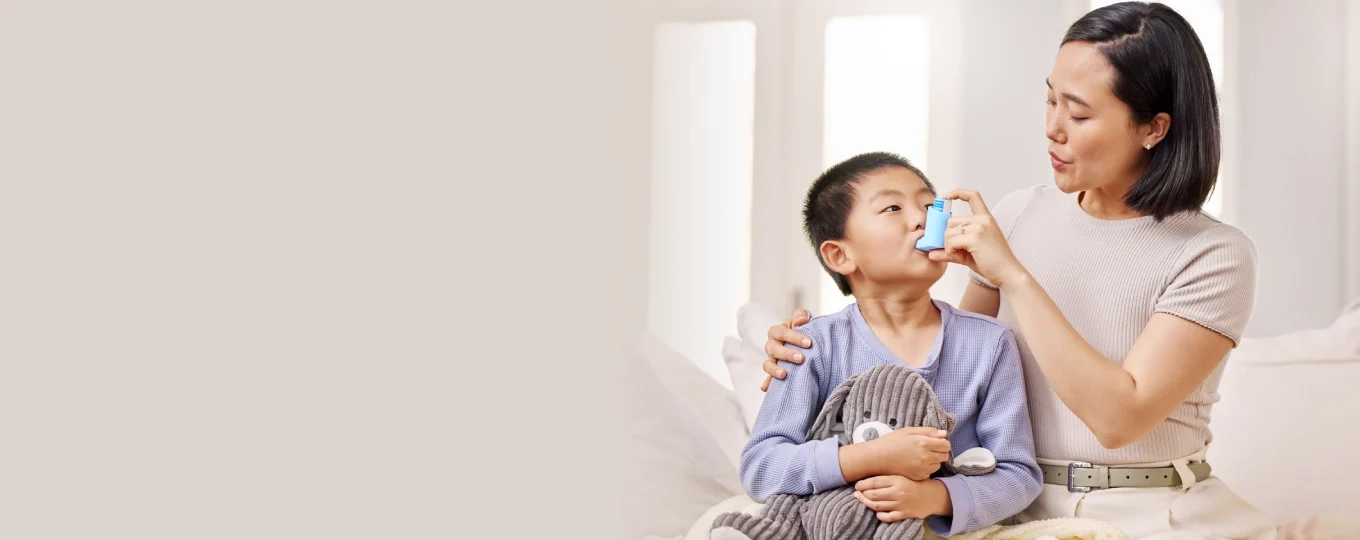
What Is Childhood Asthma?
Childhood asthma, also known as bronchial asthma, is a chronic inflammatory condition in which the airways become swollen and narrowed and may produce extra mucus. This can make breathing difficult and cause coughing, wheezing and shortness of breath. Asthma affects about one in five children in Singapore.
There is currently no cure for Asthma. However, with regular review and a good treatment plan, symptoms can be well controlled, allowing people with asthma to maintain a good quality of life. In many children, symptoms improve with age. As the frequency and severity of symptoms can change over time, it is important to work with your child’s doctor to monitor their condition and adjust treatment when needed.
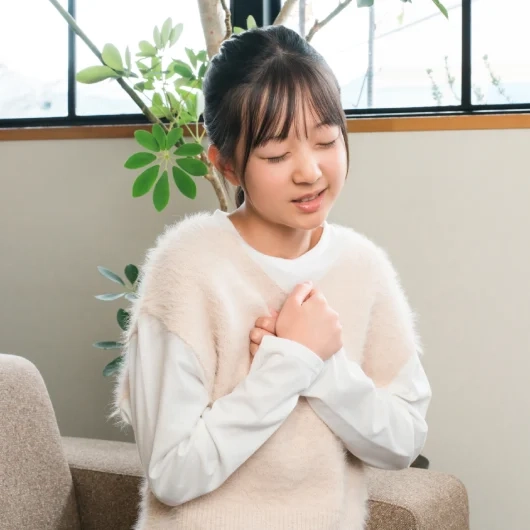
What Are the Symptoms of Asthma in Children?
Asthma symptoms vary between children and may come and go. Common symptoms include:
- Recurrent coughing, especially at night, during or after exercise
- Wheezing
- Shortness of breath
- Chest tightness or discomfort
- Difficulty keeping up during physical activity
Young children may not be able to describe their breathing difficulties. Instead, they may appear unusually tired or irritable, become less active or have difficulty feeding.
Who Is More Likely to Develop Asthma?
Childhood asthma usually develops through a combination of genetic susceptibility and environmental exposure. A child may be more likely to develop asthma if they have:
- A parent or close family member with asthma or allergies
- Eczema, allergic rhinitis or food allergies
- Exposure to cigarette smoke or vaping aerosols
- Certain respiratory infections early in life
Having these risk factors does not mean that a child will necessarily develop asthma. Asthma can also occur in children without them.
What Triggers an Asthma Attack?
Asthma triggers differ between children. Common triggers include:
- Viral infections, such as the common cold
- Environmental allergens, such as dust mites, pollen, animal dander and mould
- Changes in temperature or humidity
- Irritants in the air, including traffic pollutants, cigarette smoke, and smoke haze
- Exercise, especially in children with uncontrolled asthma
- Certain medications such as painkillers e.g. aspirin, NSAIDS
- Strong emotions and stress
When Should You See a Doctor?
Consult a doctor if your child:
- Has recurrent coughing, wheezing or breathlessness
- Coughs frequently at night or with exercise
- Cannot participate comfortably in play or sports
- Regularly needs a reliever inhaler
- Wakes at night because of asthma symptoms
- Has symptoms that are not improving despite following their asthma action plan
Regular reviews are also important because asthma symptoms and treatment needs can change as a child grows.
When Is an Asthma Attack an Emergency?
Call 995 for an ambulance immediately if your child:
- Has severe or rapidly worsening difficulty breathing
- Cannot speak in complete sentences
- Is unable to drink or feed because of breathlessness
- Has lips or skin that appear blue or grey
- Becomes very tired, drowsy, confused or difficult to wake
- Does not improve after using the reliever medicine as directed in their asthma action plan
Continue following your child’s asthma action plan while waiting for medical help.
How Is Asthma Diagnosed in Children?
Several childhood conditions have similar symptoms and it is important to confirm the diagnosis of bronchial asthma before starting treatment if possible.
The following tests may be helpful in the evaluation of and to confirm the diagnosis of asthma:
- Lung function tests: Measure airflow and how it changes after using an inhaler.
- Exhaled nitric oxide test: Measures signs of allergic inflammation in the airways.
- Allergy testing: Identifies allergens that may trigger asthma symptoms.
- Exercise testing: Assesses asthma symptoms that occur with physical activity.
- Chest X-ray: May help rule out other conditions but is not routinely needed to diagnose asthma.
How Is Childhood Asthma Treated?
Treatment usually involves learning to recognize your triggers, taking steps to avoid them and tracking symptoms to make sure daily asthma medications are keeping symptoms under control.
There are two main types of asthma medications:
Preventer Medicines
Preventers work gradually to control inflammation and make the airways less sensitive to triggers. Use these medicines/inhalers daily as prescribed and do not stop them unless your doctor advises you to do so. Regular use is important for keeping asthma under control. Examples include inhaled corticosteroids, combination inhalers and leukotriene receptor antagonists.
Reliever Medicines
Relievers work quickly to open the airways and provide rapid relief of asthma symptoms. Use them only when needed for quick relief of symptoms. Examples of relievers include salbutamol inhalers or anti inflammatory relievers like budesonide-fomoterol inhalers.
Book an AppointmentCommon Questions
Some children experience fewer symptoms as they grow older. However, asthma may persist or return later, even after a symptom free period. Regular reviews remain important.
There is currently no cure for Asthma. However, with regular review and a good treatment plan, symptoms can be well controlled, allowing people with asthma to maintain a good quality of life. Some children have mainly allergen-driven asthma symptoms, e.g., house dust mite allergies or pollen allergies. In these situations, prescribed allergen immunotherapy may provide a partial cure.
Yes. Children with well-controlled asthma should be encouraged to remain active. Coughing, wheezing or breathlessness during exercise may indicate that treatment needs to be reviewed.
A written asthma action plan explains which medicines your child should use each day, what to do when symptoms worsen and when to seek medical help. Parents, caregivers and school staff should know where the plan and inhalers are kept.
Yes. If a preventer has been prescribed for regular use, it should be taken even when your child feels well. Preventers help keep airway inflammation under control and reduce the risk of asthma symptoms and attacks.