When your child has asthma, knowing how to manage their condition day to day and what to do when symptoms worsen is important.
Here are six practical ways to manage your child’s asthma at home and at school.
1. Start With a Clear Asthma Action Plan
One of the most useful steps you can take is to work with your child’s doctor to develop a written asthma action plan.
This plan explains which medicines your child should take regularly, what to do when symptoms worsen and when to seek medical help. It should be tailored to your child’s needs, with clear instructions for managing flare-ups.
Make sure you and your child understand how to follow the plan. Education is essential to effective asthma management.
2. Build Asthma-Friendly Routines at Home
A few consistent habits can make managing your child’s asthma easier and help you recognise when their condition may need attention.
Follow the Prescribed Medication Routine
If your child has been prescribed a preventer inhaler for regular use, continue giving it as directed even when they feel well. Make sure you understand which inhaler is used for ongoing control and which is prescribed for symptom relief. Do not change or stop treatment without medical advice.
Check Their Inhaler Technique
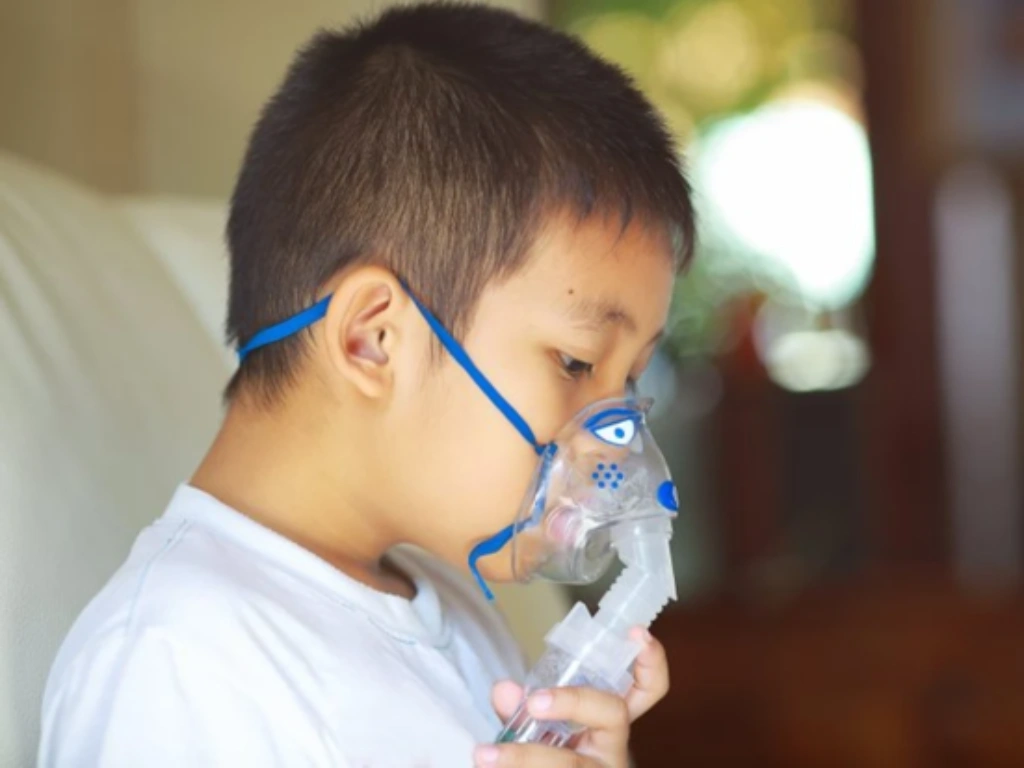
Younger children may need a spacer to help them use their inhaler effectively. Ask your child’s doctor or pharmacist to demonstrate the correct technique and check it periodically.
Keep Track of Symptoms
Recognise allergens and irritants that can trigger asthma symptoms in your child. A simple symptom diary can help identify patterns and provide useful information during medical reviews.
Reduce Relevant Triggers
Common triggers include house dust mites, pet dander, mould, smoke and air pollution. Wash bedding regularly, address dampness and mould, and keep your home and car smoke-free. During periods of haze in Singapore, check local air quality advisories and follow your child’s asthma action plan. Focus on triggers that affect your child rather than making unnecessary changes to the home.
Help Your Child Sleep Better at Night
Night-time asthma symptoms can be particularly distressing. To help manage them:
- Ensure the bedroom is well-ventilated and free from potential allergens.
- Consider using air purifiers to improve air quality.
- Follow your child’s prescribed medication routine.
If coughing or breathlessness regularly disturbs your child’s sleep, arrange a medical review, as this may indicate that their asthma is not well controlled.
3. Help Your Child Stay Active
Children with well-controlled asthma should generally be encouraged to exercise and participate in physical activities. Regular physical activity helps improve lung function and overall health.
However, exercise can trigger symptoms in some children, particularly when their asthma is not well controlled.
To help your child participate comfortably:
- Follow their prescribed asthma treatment plan, including any instructions about medication before exercise.
- Encourage a gradual warm-up before strenuous activities.
- Make sure their prescribed reliever medication is accessible when needed.
- Inform physical education teachers and coaches about your child’s asthma.
- Encourage your child to stop and tell an adult if they develop coughing, wheezing, chest tightness or unusual breathlessness.
If your child repeatedly struggles during exercise or avoids activities because of breathing difficulties, arrange a medical review. Their treatment may need to be reassessed.
4. Work Closely with Your Child’s School and Caregivers
Your child may spend much of the day away from you, so teachers, childcare staff and sports coaches should know how to support their asthma management.
Share the Asthma Action Plan
Educate family members, caregivers, and your child’s school about your child’s asthma action plan to ensure a coordinated response if an emergency occurs.
Arrange Access to Medication
Discuss how your child can access their prescribed reliever promptly during lessons, physical education and school excursions. Follow the school’s medication policies and make sure the arrangements are appropriate for your child’s age and needs.
Keep Communication Open
Let the school know if your child’s treatment changes or they have recently experienced a flare-up. Encourage teachers to tell you if they notice recurring coughing, breathlessness or difficulty participating in activities.
A coordinated approach between home and school helps ensure that your child receives consistent support throughout the day.
5. Keep Up with Regular Asthma Reviews
Even when your child seems well, regular medical reviews are important. Asthma symptoms and treatment needs can change as children grow.
During these appointments, your child’s doctor can assess whether their symptoms are adequately controlled, review their medication and inhaler technique, and update the asthma action plan if necessary.
Before an appointment, take note of:
- How often your child experiences symptoms during the day or at night.
- Whether asthma affects their sleep, school attendance or physical activities.
- How frequently they need their reliever medication.
- Any recent flare-ups or possible triggers.
6. Know When to Seek Emergency Help
Even with good asthma management, a flare-up can sometimes become serious.
Call 995 for an ambulance in Singapore immediately if your child has severe or rapidly worsening breathing difficulties, cannot speak in complete sentences, develops blue or grey lips or skin, becomes unusually drowsy or confused, or does not improve after using their reliever as directed in their asthma action plan.
Follow the plan’s emergency instructions while waiting for help. Do not delay emergency assistance to try home remedies.
Helping Your Child Manage Asthma with Confidence
Managing childhood asthma involves preparation, consistent routines and communication between everyone caring for your child. A clear asthma action plan, regular medical reviews and appropriate support at home and school can help you recognise problems early and respond when needed.
If you are concerned about your child’s symptoms or asthma control, a paediatrician can assess your child and advise you on the appropriate care.
For More Information or to Book an Appointment, Contact Us Here.
Related Doctor

Dr Jenny Tang Poh Lin
Senior Consultant Paediatrician; Asthma, Lung, Sleep & Allergy MBBS (Singapore), MMED Paediatrics (Singapore), MRCP (U.K.), FAMS (Singapore), FRCPCH (U.K.), FCCP (U.S.A.)Related Clinic

SBCC Baby & Child Clinic (Asthma, Lung, Sleep, Allergy & Paediatric Centre)