

Perawatan Spesialis untuk Pernapasan, Kesehatan Paru-paru, dan Alergi Terkait pada Anak
Beberapa anak mengalami asma, batuk yang menetap, mengi, infeksi dada berulang, atau sesak napas yang memengaruhi tidur, sekolah, olahraga, atau aktivitas sehari-hari.
Perawatan Kesehatan Pernapasan & Paru-paru Anak membantu keluarga memahami kemungkinan penyebab gejala tersebut dan cara mendukung pernapasan yang lebih baik seiring pertumbuhan anak.
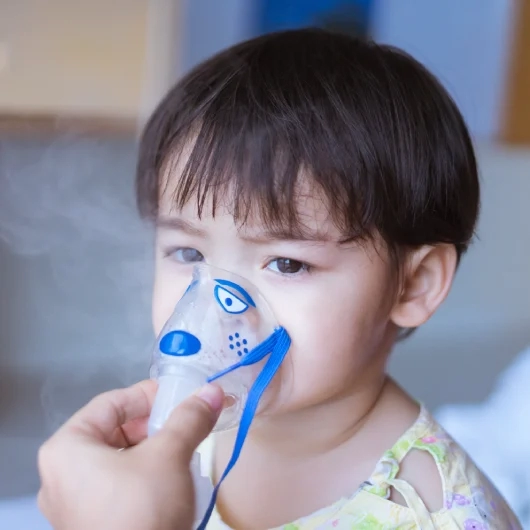
Kondisi Pernapasan, Paru-paru, dan Alergi Terkait yang Umum pada Anak
Anak-anak mungkin mendapat manfaat dari penilaian pernapasan apabila gejalanya menetap, berulang, atau memengaruhi kehidupan sehari-hari.
Kondisi dan masalah yang umum meliputi:
- Asma pada Anak
- Batuk Kronis pada Anak
- Mengi Berulang pada Anak
- Kesulitan Bernapas pada Anak
- Bronkitis dan Bronkiolitis
- Infeksi Dada Berulang
- Gejala Pernapasan yang Dipicu Olahraga
- Sesak Napas pada Anak
- Rinitis Alergi dan Rinokonjungtivitis Alergi
- Eksim Atopik
- Alergi Inhalan
Penilaian, Pemeriksaan & Pilihan Perawatan
Perawatan disesuaikan dengan usia, gejala, riwayat kesehatan, dan kebutuhan klinis anak Anda.
Penilaian dan perawatan pernapasan dapat mencakup:
- Tes Fungsi Paru
- Tes Tantangan Olahraga
- Tes Alergi
- Rencana Tindakan Asma Tertulis
- Evaluasi Teknik Penggunaan Inhaler
- Bronkoskopi Pediatrik
- Dukungan Oksigen di Rumah
- Dukungan Ventilasi Noninvasif
- Imunoterapi Sublingual
Kapan Perlu Mempertimbangkan Saran Spesialis
Evaluasi pernapasan mungkin bermanfaat jika gejala pernapasan anak Anda menetap, berulang, atau memengaruhi tidur, sekolah, atau aktivitas.
Anda mungkin perlu mencari saran jika anak Anda:
- Mengalami batuk berulang atau kronis
- Mengalami mengi saat sakit, berolahraga, atau pada malam hari
- Mengalami infeksi dada berulang
- Lebih mudah mengalami sesak napas daripada yang diharapkan
- Memiliki gejala asma yang sulit dikendalikan
Jika gejalanya berat, memburuk, atau Anda khawatir tentang pernapasan anak Anda, harap segera dapatkan saran medis.
Pertanyaan Umum
Tidak selalu. Batuk kronis dapat memiliki berbagai penyebab, termasuk infeksi, sensitivitas saluran napas, alergi, asma, refluks, atau pemicu lingkungan. Evaluasi dapat membantu memperjelas kemungkinan penyebabnya.
Mengi perlu dievaluasi jika terus berulang, memengaruhi tidur atau aktivitas, disertai sesak napas, atau tidak merespons pengobatan seperti yang diharapkan.
Layanan Kesehatan Pernapasan & Paru-paru Anak berfokus pada masalah terkait pernapasan dan paru-paru. Masalah pernapasan terkait tidur, seperti mendengkur atau apnea tidur obstruktif, termasuk dalam layanan Kedokteran Tidur.
Ya. Pemicu alergi seperti tungau debu, serbuk sari, atau bulu hewan peliharaan dapat memperburuk gejala pernapasan dan membuat asma lebih sulit dikendalikan. Dokter anak kami dapat membantu mengidentifikasi kemungkinan pemicu sebagai bagian dari penilaian dan penanganan asma anak Anda.
Dokter Kami