






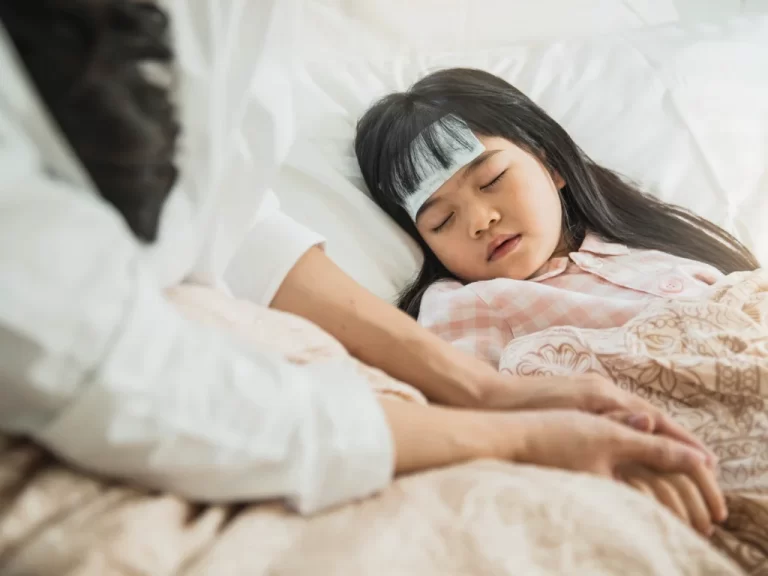
For many parents, it’s a familiar story. The holidays end, school reopens and before long, the sniffles, coughs, or fever return.
You’re not imagining it. Many children do fall sick more often once school is back in session. But if your child seems to catch every bug that’s going around, you may start wondering: is this normal, or is something else going on?
Let’s explore why this happens, what’s considered normal, and when it may be time to seek your paediatrician’s advice.
It’s completely natural for young children to pick up infections frequently, especially those in preschool or lower primary school. In fact, most children experience around six to eight viral infections a year.
After the holidays, their immune systems often face a double challenge.
During the school break, children spend more time at home or with family. Once school resumes, they are suddenly exposed to hundreds of other children and all the viruses that come with them.
Late nights, travel, and changes in diet can affect a child’s natural defences. When routines are disrupted, the immune system may be a little slower to respond once the term begins.
Overseas holidays can also introduce unfamiliar viruses and bacteria, especially gastro-intestinal or respiratory illnesses. It’s not unusual for some of these infections to show up a week or two after returning.
While it can feel worrying, these patterns are often a normal part of growing up and of building immunity.
Every child’s immune system develops at its own pace. Still, there are a few general patterns that help parents tell the difference between what’s expected and what deserves a closer look.
| Symptom or Pattern | Usually Normal | May Need Review |
|---|---|---|
|
Colds or coughs |
Last 5–10 days |
Lasting more than 3 weeks or returns every month. It could suggest lingering or secondary infections, allergies, or underlying respiratory conditions such as asthma. |
|
Fever |
Up to 3 days, spaced out |
Lasts beyond 3–4 days or happens often without clear cause. See a doctor if accompanied by lethargy, rash, or breathing difficulty. |
|
Short-lived and self-recovering |
Persistent diarrhea, recurrent vomiting, ongoing abdominal pain, or poor appetite with weight loss. |
|
|
Missed school |
Occasional days |
Missing school for more than 5–7 days a month consistently may signal underlying issues such as low immunity or chronic allergies. |
If your child’s symptoms happen too often or take longer than expected to resolve, it’s best to consult your doctor. They can help determine whether there’s an underlying cause.
Certain signs should prompt a medical review sooner rather than later.
Seek professional advice if your child experiences:
A paediatrician can assess whether these patterns are part of normal childhood illnesses or if further evaluation is needed.
When children fall sick often, small, consistent habits at home can make recovery smoother and future illnesses less disruptive. Beyond regular handwashing, here are steps parents can take to protect their child’s health:

Make sure your child’s routine immunisations are current, including flu and pneumococcal vaccines. These help reduce the risk of common respiratory infections and complications such as pneumonia.
After the holidays, many children need time to reset their sleep schedules and eating patterns. A balanced diet rich in fruits, vegetables, and proteins supports stronger immunity and helps the body recover faster from colds and flu.
Simple over-the-counter options such as paracetamol for fever or nasal saline drops can be used in children if dosing is followed carefully. Cough and cold medicines are not recommended for children under two years unless advised by a doctor. If you’re unsure, always check with your doctor.
If your child’s symptoms linger or if red flags are present, a paediatric health review can help assess:
Your paediatrician can guide whether further checks are needed to ensure your child is growing and recovering as expected.
Children are most contagious in the first few days of illness. Keeping them home to rest not only supports recovery but also protects classmates from infection. Before sending your child back to school, check that they’re fever-free for at least 24 hours without fever-reducing medication, with energy and appetite back to usual, and do not have any contagious symptoms and rashes.
If you’re unsure whether your child is still contagious, check with your doctor for advice on when it’s safe to resume school activities.
Childhood illnesses are a natural part of growing up, but knowing what’s normal and when to act helps you stay one step ahead.
If your child seems to fall sick constantly, especially when symptoms keep returning despite good care at home, it’s always worth checking in with your paediatrician. Early reassurance and proper care can go a long way in helping your child return to health and confidence.
The paediatricians at SBCC Baby & Child Clinic are here to support families through every stage of growth and health, from early childhood to the school years.

Medically Reviewed by Dr Stephanie Hii
Consultant Paediatrician
Tele-consultation (within Singapore)
|
10 minute Consultation |
General Paediatrics Case |
Sub Specialty Case |
|
1st Consult |
$90 |
$120 |
|
Follow up |
$50 |
$80 |
Additional charges may apply for extended consultation with the doctor.
Delivery of Medication (within Singapore):
Orchard Road – $2, Tuas – $4, Sentosa and Airport – $10
*Tele-consultation (outside of Singapore) is only applicable for Sub Specialty Follow up.
In the current COVID-19 situation, parents may be hesitant to bring their little one to clinics. With this tele-consultation service, you may consult a paediatrician on non-urgent clinical matters without leaving your home.
FOLLOW-UP for stable chronic conditions such as asthma, allergic rhinitis, food allergy, eczema, constipation, juvenile arthritis, chronic urticaria
If your child is experiencing a medical emergency, please call an ambulance at 995 or make your way to the nearest Accident & Emergency department immediately. If it is not an emergency, but you/your child do not meet the requirement for telemedicine please call our clinics for an appointment. If you need mental health support, please call SOS Hotline (1800-221 4444).
1. Fill in the online registration form and make an appointment with your preferred paediatrician.
2. Complete the payment details before submitting the online registration form.
3. You will receive an SMS and Email to confirm your registration.
4. As the tele-consult request needs to be approved by the paediatrician, you will receive an SMS and Email confirming your request.
5. You will receive a video consultation link by SMS and Email when your appointment is near.
6. Click the link to start your consultation.
7. Once complete, you will receive a link by SMS and Email on the amount payable to the clinic.
8. If you have selected delivery of medication, a delivery fee will apply to your final bill amount.
A standard delivery fee of $15.00 will be charged for medication delivery within Singapore. You will receive your medication within 3 hours.
Please note the following surcharges apply to the following area:
Your medication will be delivered to your address via a courier.
At the time of registration, we charge an amount of $1 to authenticate your credit card. However, please note that this amount is immediately reversed once your request is submitted successfully.
Payment is made via your submitted credit card details at the time of registration.
| Doctor Name | Doctor Specialty (Special Interest) |
| Dr Alison Joanne Lee | Paediatric Medicine (Allergy & Immunology) |
| Dr Chan Kit Yee | Paediatric Medicine (Cardiology) |
| Dr Charmaine Teo | Paediatric Medicine |
| Dr Jenny Tang | Paediatric Medicine (Asthma, Lung, Sleep & Allergy) |
| Dr Martha Liu | Paediatric Medicine |
| Dr Nancy Tan | Paediatric Medicine (Gastroenterology, Hepatology & Nutrition) |
| Dr Natalie Epton | Paediatric Medicine (Neonatology) |
| Dr Ratna Sridjaja | Paediatric Medicine |
| Dr Wong Chin Khoon | Paediatric Medicine |
| Dr Ng Ying Woo | Obstetrics & Gynaecology* |
Thank you for choosing SBCC's Tele-Consultation service. At SBCC, we strive to provide you with a seamless and effective healthcare experience. Our Tele-consultation service is different than other providers as we can schedule a tele-consult with your preferred paediatrician through our Platform.
Please go through the below terms and conditions for our Tele-Consultation process including your rights and responsibilities of this platform. These Terms and conditions, together with our privacy policy constitute an agreement between you and Healthway Medical group.